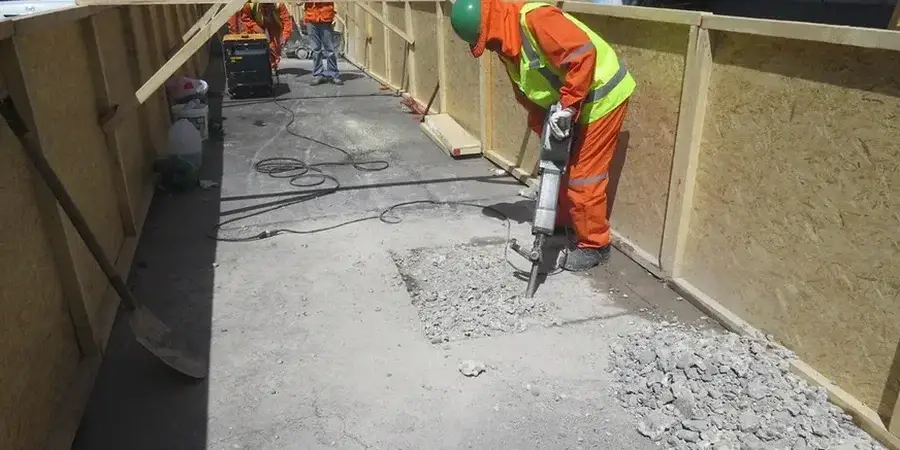
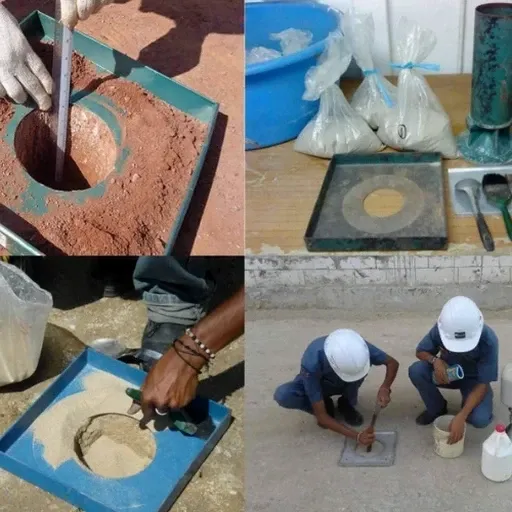
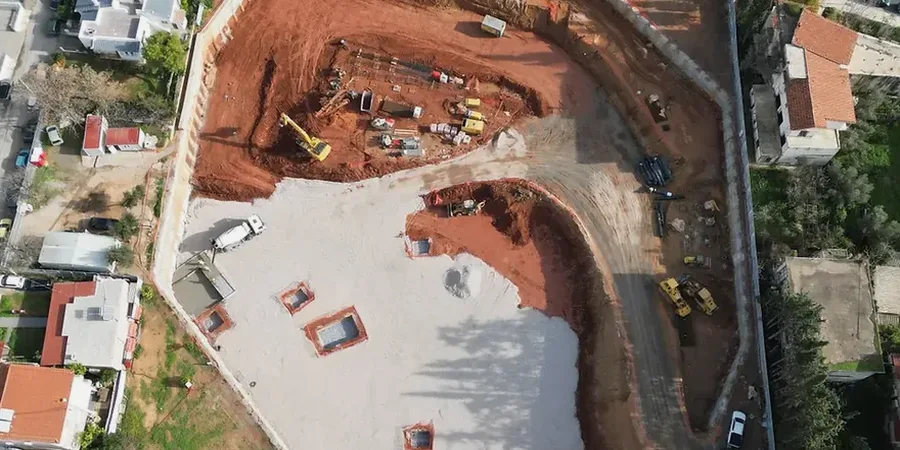
A 22-metre excavation adjacent to a heritage-listed building on North Terrace presents a cascade of geotechnical challenges that define Adelaide’s subsurface character. The city’s geology shifts abruptly from the soft Quaternary alluvium of the River Torrens floodplain into the highly variable Willunga and Hindmarsh Clay formations, then into the deeply weathered, fractured meta-sediments of the Adelaide Superbasin. When a piling rig encounters a lens of saturated sand at 14 metres — material that wasn’t picked up by the preliminary desktop study — the entire excavation support system must be re-evaluated. This scenario is not hypothetical; it reflects actual conditions our team has managed across the CBD and inner suburbs. Effective geotechnical design of deep excavations here demands more than just bearing capacity checks. It requires integrating site-specific test pits data with advanced numerical modelling to anticipate stress redistribution as the cut progresses, and pairing that with precise CPT testing to map pore pressure regimes that can destabilise a base before the blinding pour is even placed.
In Adelaide’s mixed-face excavations, a single unsupported bench can lose 40% of its shear strength after one rainfall event.