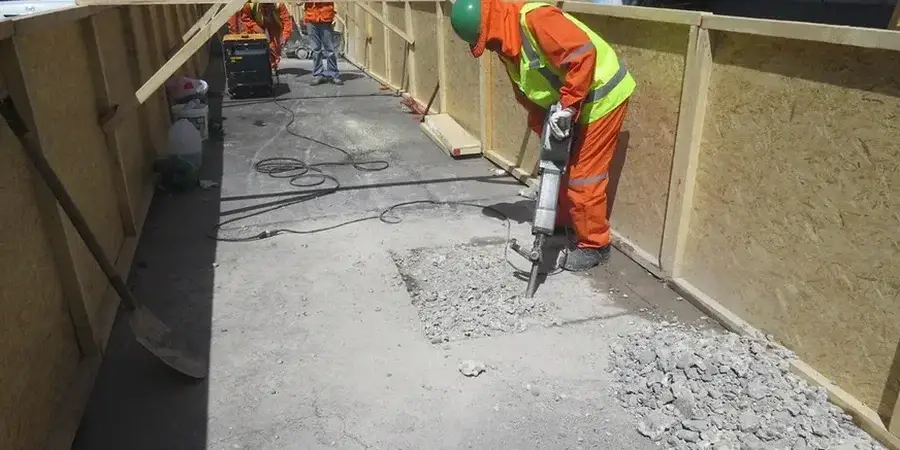
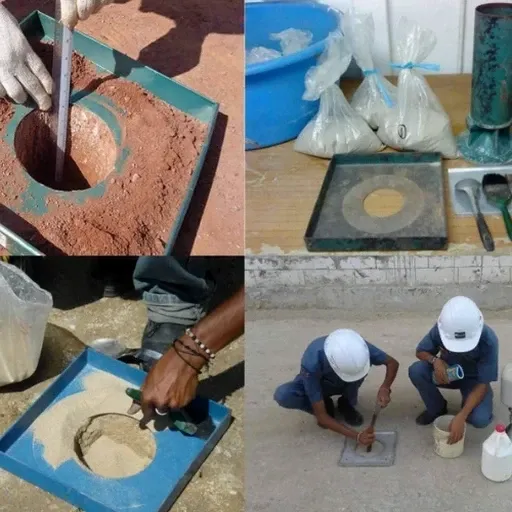
Between the heavy clay soils of the northern Adelaide Plains and the rocky fill of the Mount Lofty foothills, rigid pavement design in Adelaide means dealing with two very different worlds. One pavement on a flat site in Elizabeth might need to bridge a CBR of 2%, while a road in the hills above Burnside sits on weathered siltstone with a CBR above 15%. That contrast defines how we approach concrete pavement thickness and joint spacing. A test pits investigation in the plains often reveals a reactive clay profile that swells with winter rain and shrinks during the long dry summers, directly impacting slab curling stresses. The team focuses on matching the concrete flexural strength and subbase drainage to the specific site geology, not just the traffic loading. With over 1.3 million people across the metropolitan area, the pressure on industrial pavements in areas like Wingfield and Regency Park is high, demanding designs that hold up under constant heavy vehicle turning movements without cracking at the joints.
In Adelaide, the slab’s enemy is not just traffic load but the seasonal ground movement beneath it—the k-value measured in January is not the same in July.