GEOTECHNICALENGINEERING1
ADELAIDE
HomeInvestigationExploratory test pit

Exploratory Test Pits in Adelaide: What You Actually See Below the Surface

Site investigations you can build on.

LEARN MORE

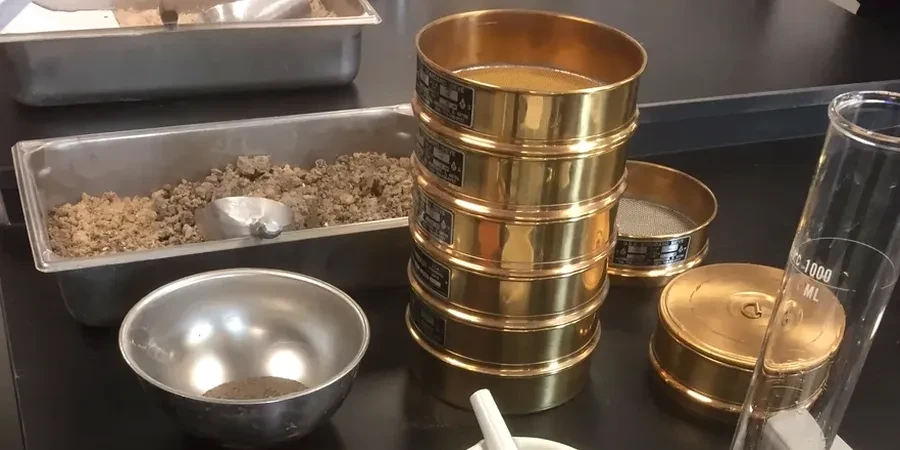
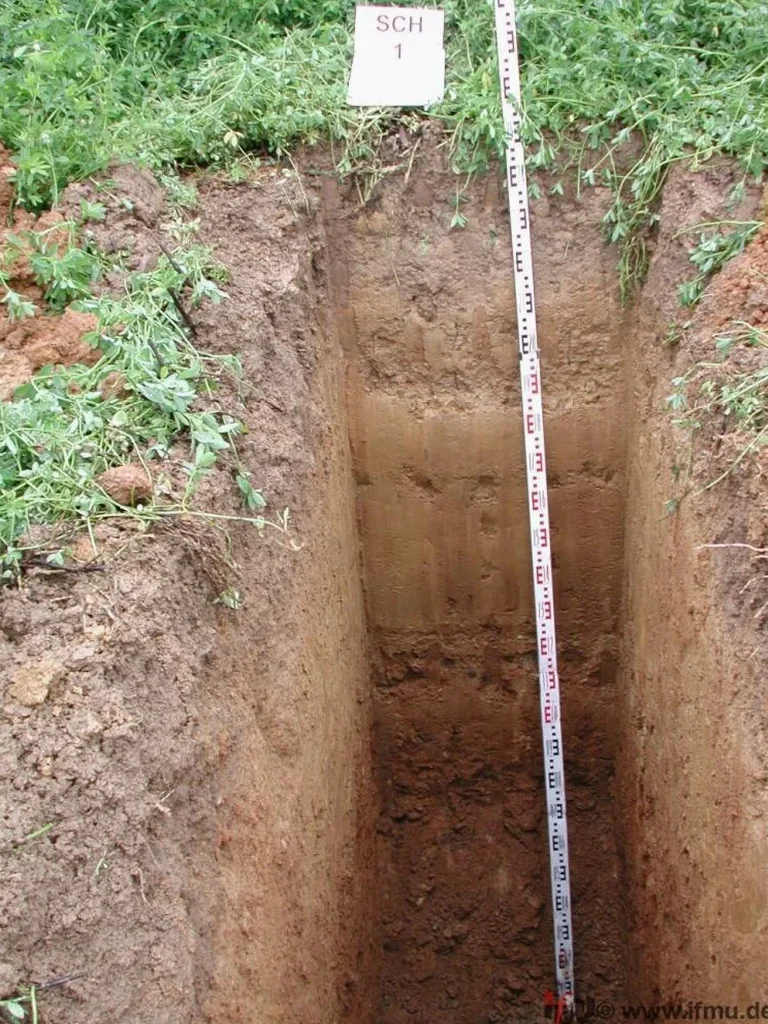
In Adelaide, you can dig in two spots fifty metres apart and find completely different soil profiles—that’s just how the local geology works. We’ve opened test pits where one corner of the site hit calcrete at 1.2 m while the other went through 2 m of uncontrolled fill from the 1960s. An exploratory test pit gives you that direct visual record, no guesswork. We log the stratigraphy, take block samples for lab testing, and check for moisture conditions that react badly with the city’s reactive clay belts. When the pit hits weathered siltstone, we often cross-check findings with an SPT drilling log to confirm refusal depth, or pair it with a grain size analysis to classify the fine fraction that causes volume change in the Adelaide Hills.

A single carefully logged test pit in Adelaide’s reactive clay zone can save you from footing movement claims that would surface three summers later.
Our service areas

How we work

AS 1726:2017 sets the standard for geotechnical site investigations across Australia, and in Adelaide’s suburbs—where the Keswick Clay and Hindmarsh Clay formations sit just beneath the surface—strict adherence matters a lot. We excavate to a typical depth of 2.5–3.0 m using a smooth-edged bucket to preserve sidewall texture, then log the profile directly against the Unified Soil Classification System. The pit face reveals root penetration, slickensides in reactive clay, and perched water seepage that a borehole log alone might miss. For sites near the River Torrens floodplain, we often complement the test pit with an in-situ permeability test to estimate infiltration rates before stormwater design begins. Our field team photographs every lift, measures soil pH and EC on site, and wraps undisturbed samples in cling film right at the face—no transport drying that skews the lab’s Atterberg results.
Exploratory Test Pits in Adelaide: What You Actually See Below the Surface
Technical reference — Adelaide

Local geotechnical context

Adelaide’s Mediterranean climate—long dry spells followed by winter downpours—drives the shrink-swell cycle that wrecks slabs built on reactive clay without proper site classification. An exploratory test pit exposes the moisture profile at the exact moment of investigation, but that snapshot needs interpretation: we note the depth of desiccation cracks, measure in-situ moisture content, and compare it against the plastic limit. In the eastern foothills, shallow rock floaters in colluvium create a different hazard—a pit might refuse on a boulder at 1.5 m while the surrounding ground is soft clay, misleading the foundation design if not logged carefully. We flag these anomalies in the field report and, where the pit cannot safely reach design depth, specify a CPT probe to push through the obstruction and get continuous tip resistance data without losing the soil-behaviour context the test pit already revealed.

Need a geotechnical assessment?

Reply within 24h.

Email: contact@geotechnicalengineering1.co

Relevant standards

AS 1726:2017 – Geotechnical site investigations, AS 2870:2011 – Residential slabs and footings, AS 4678:2002 – Earth-retaining structures, AS 1289 – Methods of testing soils for engineering purposes (moisture, Atterberg, classification)

Typical values

ParameterTypical value
Typical excavation depth2.5–3.0 m (up to 4.0 m with shoring)
Bucket typeSmooth-edged, 450–600 mm width
Log standardAS 1726:2017, USCS classification
Sample types collectedDisturbed bulk, undisturbed block, jar moisture
Field tests conductedPocket penetrometer, hand vane, DCP, pH/EC
Minimum pit spacing (AS 1726)Not less than one per 500 m² for low-rise structures
Backfill specificationCompacted in lifts ≤200 mm, ≥95% standard Proctor density

Quick answers

What depth can an exploratory test pit reach before I need shoring?

Under Worksafe SA guidelines and standard practice in Adelaide’s suburban sites, we limit unsupported vertical cuts to 1.5 m if anyone enters the pit. With battered sides at a 1:1 slope, we can go to 3.0–3.5 m safely in competent clay. For deeper investigation—say, where the fill extends beyond 4.0 m in old Port Adelaide reclamation areas—we shift to a combination of SPT boreholes and CPT probes rather than risk a trench collapse.

How much does a standard exploratory test pit cost in Adelaide?

For a single pit excavated to 2.5–3.0 m with full logging, photography, and sampling, you are looking at a range of AU$760 to AU$1,390 depending on access, spoil disposal, and whether traffic management or shoring is needed. Multiple pits on the same site bring the per-unit cost down because mobilisation is shared.

Can you use a test pit to check for pyrite or acid sulfate soils in Adelaide?

Yes, and for sites along the River Torrens corridor or in the western suburbs where sulfidic sediments are known to occur, we recommend it. We measure soil pH in the field during logging—values below 4.0 can indicate active acid sulfate conditions—and collect jar samples for SPOCAS testing at a NATA-accredited lab. The test pit gives us enough material volume to run the full suite without resampling.

Location and service area

We serve projects in Adelaide and surrounding areas.

View larger map