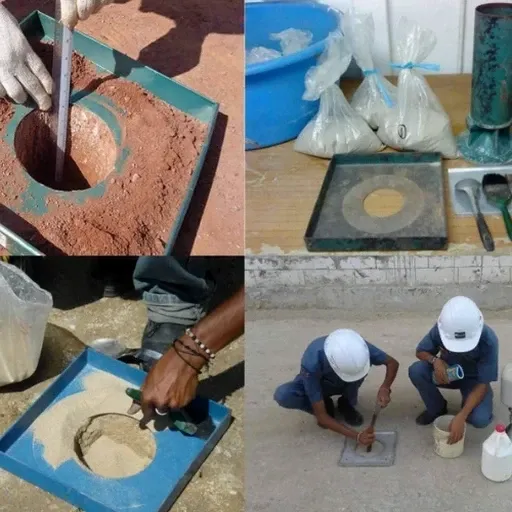
Adelaide's orderly grid, laid out by Colonel William Light in 1836, belies a subsurface that demands serious geotechnical attention. The city straddles two distinct geological provinces: the St Vincent Basin sediments to the west and the folded, faulted bedrock of the Mount Lofty Ranges to the east. This transition zone, particularly active along the Para and Eden-Burnside fault lines, creates highly variable ground conditions. A standard footing is rarely a safe bet here. From the reactive Keswick Clay underlying the CBD to the calcrete horizons across the northern plains, pile foundation design must contend with shrink-swell cycles, karst-like voids, and a moderate seismic hazard rating that influences every structural connection. For deeper sites near the Torrens River, we often pair the pile analysis with an in-situ permeability assessment to model seasonal moisture fluctuation in the founding strata.
A pile driven to refusal in calcrete without design verification can lose 40% of its end-bearing capacity within a decade due to dissolution.