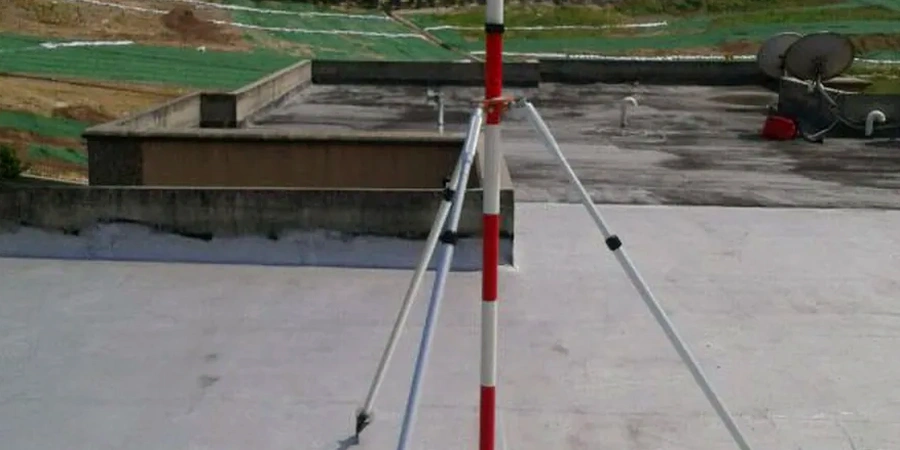
Adelaide sits on a complex geological fringe where the faulted bedrock of the Mount Lofty Ranges transitions abruptly into the Quaternary alluvium of the plains. Excavation depths across the CBD often exceed 15 metres for multi-level basements, and the city’s history of moderate seismicity—most recently recorded in the 1954 Adelaide earthquake—means that shoring design is never a static calculation. Our monitoring service deploys instrument arrays that track lateral displacement, groundwater response, and anchor load variation in real time, giving the project team hard numbers instead of assumptions. When a cut is advancing through fractured siltstone one day and saturated Keswick Clay the next, the deep excavation instrumentation strategy needs to adapt to the ground, not the other way around. From North Terrace to Tonsley, we integrate automated total stations with manual verification points so the data stream remains reliable even when site conditions get messy.
Monitoring is not about recording what happened—it is about catching the trend before it becomes a failure.